
Guías de reporte de eventos de seguridad
Recursos sobre el reporte de eventos de seguridad
Guías prácticas y con fuentes para crear un programa de reporte de eventos de seguridad que el personal realmente use: lograr que reportar sea tan rápido que se reporten más eventos, capturar los cuasiincidentes, clasificar los eventos para que puedan dirigirse y revisarse sin cuellos de botella, cerrar el ciclo con quienes reportan y cumplir las expectativas de su organismo de acreditación (por ejemplo, Joint Commission International).

Comience aquí
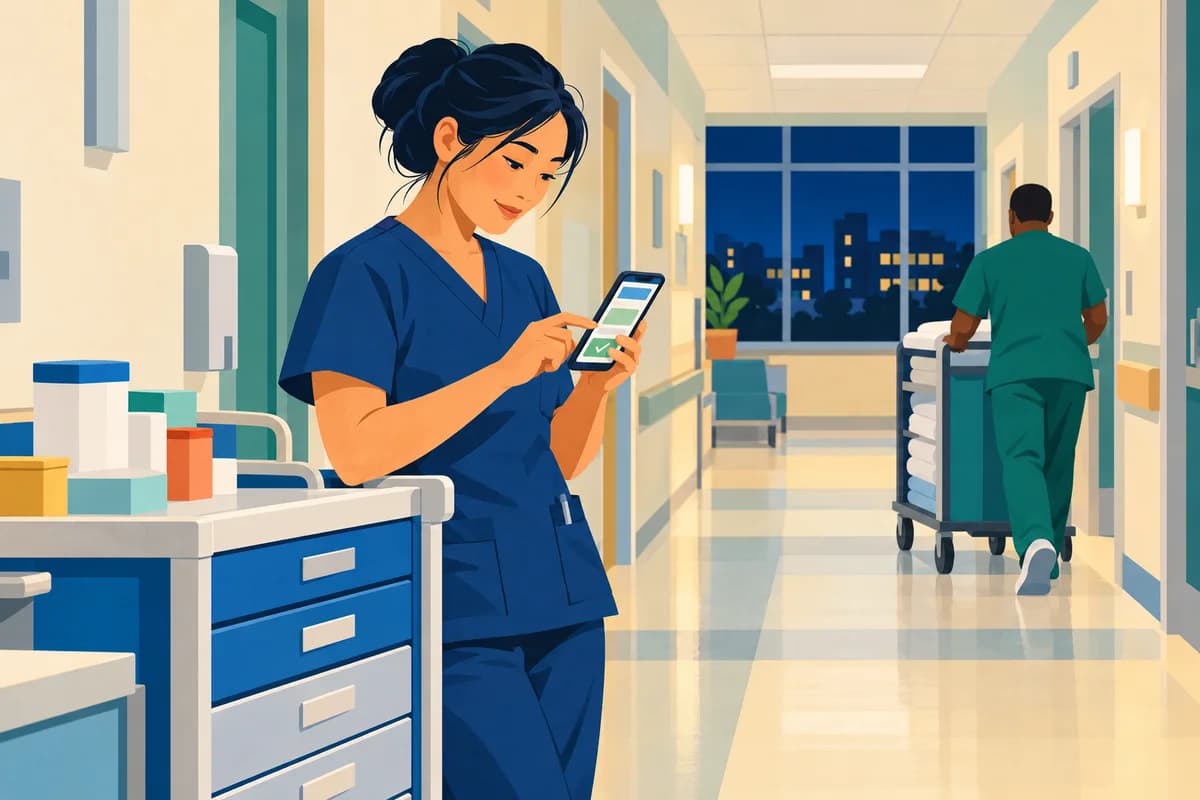 Best practiceWhy your staff aren't reporting, and what to do about itMost patient harm never reaches the incident reporting system. Why staff skip reporting, from slow forms to never hearing back, and how to fix each barrier. (en inglés)
 Program designNear misses are your best source of safety intelligenceNear misses occur 3–300 times more often than adverse events and expose the same weaknesses. How to get staff to report them and learn from them together. (en inglés)
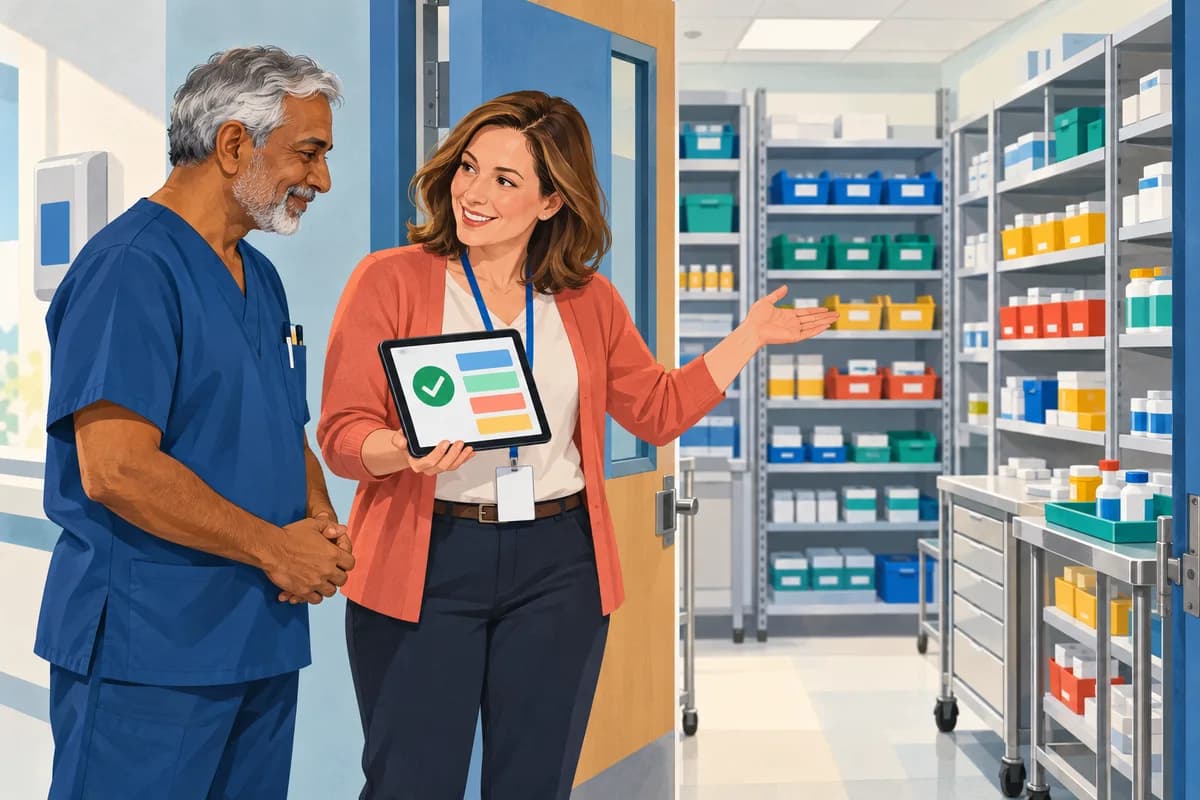 Best practiceThe fastest way to kill your reporting culture: never follow upReporters who never hear back stop reporting. What the evidence says about feedback, what good feedback looks like, and how to make it the default. (en inglés)
Póngalo en práctica
Programas que convierten esta guía en trabajo cotidiano
 Reporte de eventos de seguridadPermita que el personal reporte desde cualquier dispositivo, dirija cada evento al equipo que lo revisa e informe a quienes reportan sobre lo que cambió.Explorar Reporte de eventos de seguridad →
 GoodCatchCapture los cuasiincidentes rápidamente, revíselos en equipo, corrija el proceso y reconozca a la persona que lo detectó.Explorar GoodCatch →
Justifique el cambio
Por qué los reportes en papel y los realizados sin un sistema establecido se quedan cortos, qué le conviene a un hospital pequeño y cómo armar una justificación económica que el área de finanzas acepte.
 Getting startedStill using paper for safety event reporting? Here's what it's costing youWhat paper incident forms cost a hospital: slow review, no trending, survey scrambles and reporters who never hear back. How to move to digital reporting. (en inglés)
 By settingSafety event reporting for small and rural hospitalsSmall and critical access hospitals must still track and learn from adverse events. A practical reporting setup for a team where one person wears many hats. (en inglés)
 Business caseThe real cost of not capturing safety eventsBuilding a business case for safety event reporting: malpractice, CMS payment penalties, nurse turnover and staff time, with sourced figures you can defend. (en inglés)
Logre que se reporten más eventos
Elimine las barreras que impiden que el personal reporte, incluidos los cuasiincidentes y las inquietudes delicadas.

Aprenda de lo que se reporta y actúe
Cierre el ciclo con quienes reportan, gestione un programa de cuasiincidentes y demuestre al personal que alzar la voz cambia las cosas.
 Program designHow to build a GoodCatch program your teams believe inA GoodCatch program is more than a form: executive sponsorship, fast capture, tiered review, feedback and recognition. How to build one staff believe in. (en inglés)
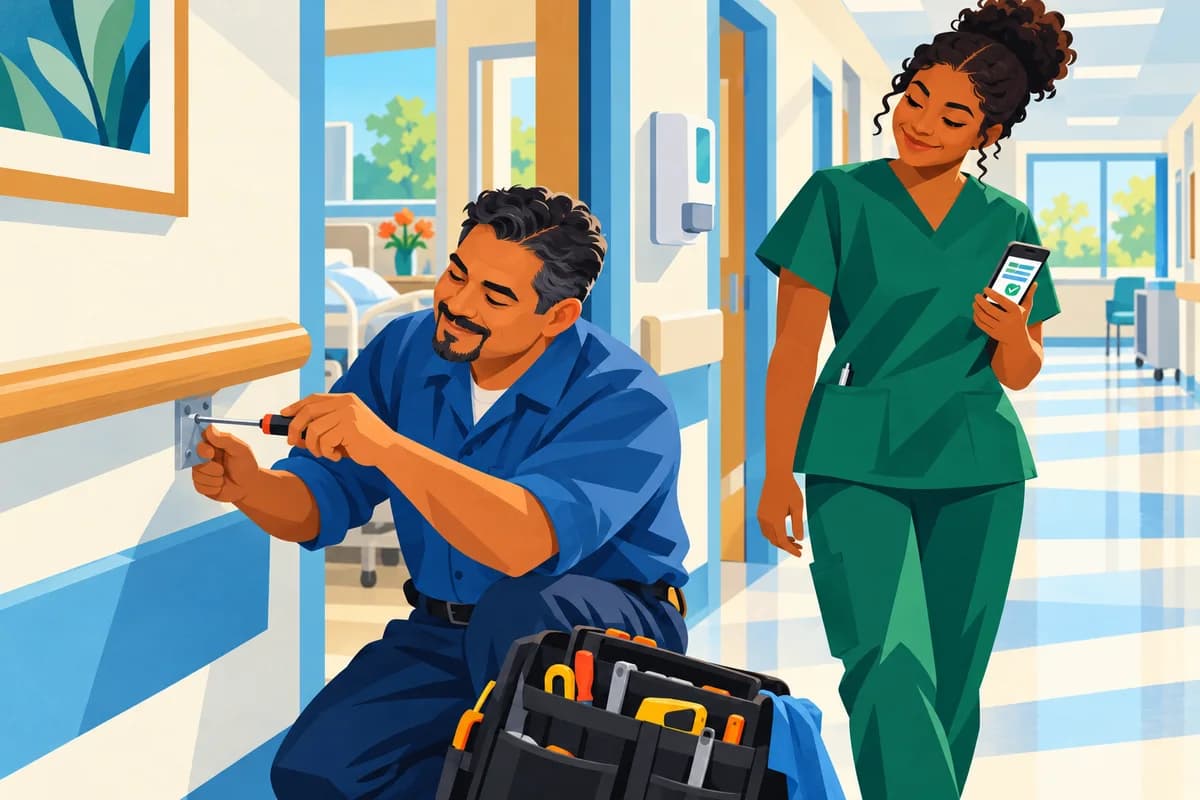 Best practiceFrontline engagement starts with listeningFrontline engagement grows when staff see their observations lead to change. How to use safety reporting and feedback, not more surveys, to build it. (en inglés)
Cumpla los requisitos y mida
Lo que espera su organismo de acreditación (por ejemplo, Joint Commission International), cómo clasificar los eventos de forma consistente y cómo dar seguimiento a la cultura de seguridad.
 ComplianceMeeting CMS and Joint Commission safety event requirements without the overheadWhat CMS Conditions of Participation and the Joint Commission expect for adverse event tracking, analysis and sentinel events, and how to stay survey-ready. (en inglés)
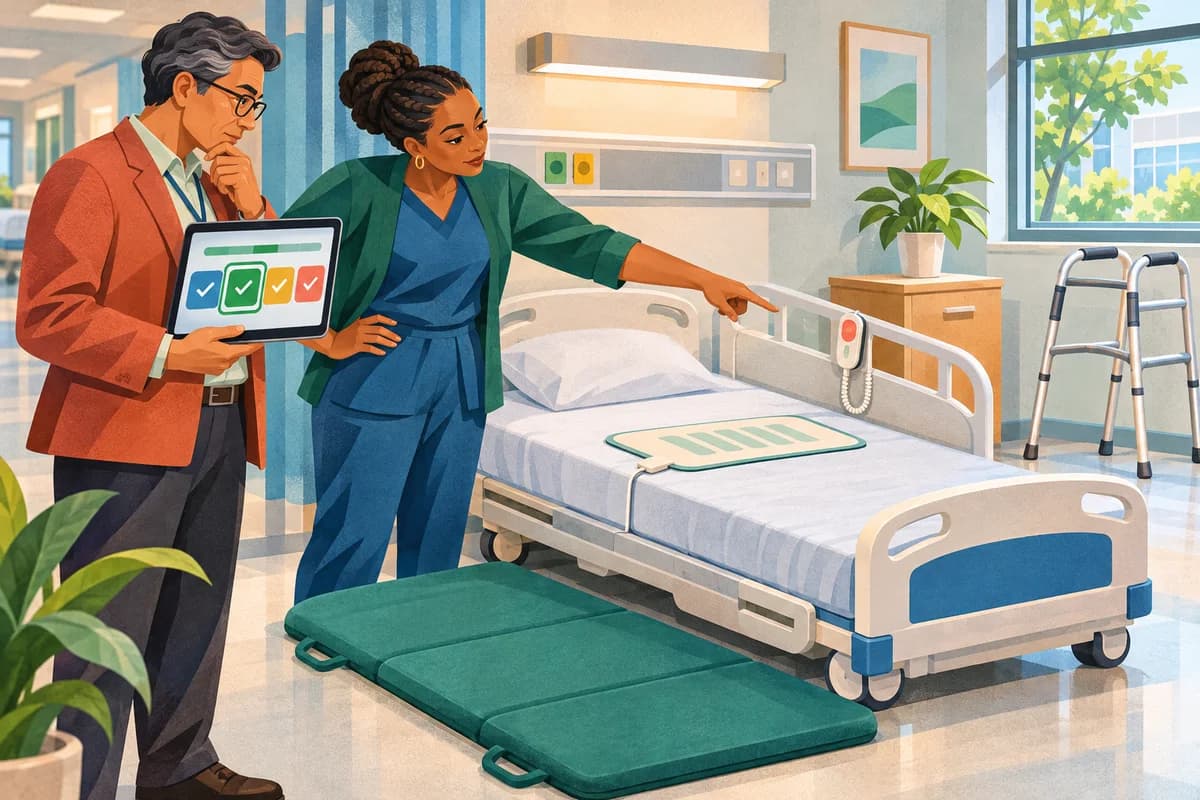 MethodClassifying safety events: beyond high, medium and lowMove beyond high, medium and low. How the NCC MERP index, AHRQ Common Formats and sentinel event definitions help you classify events consistently. (en inglés)
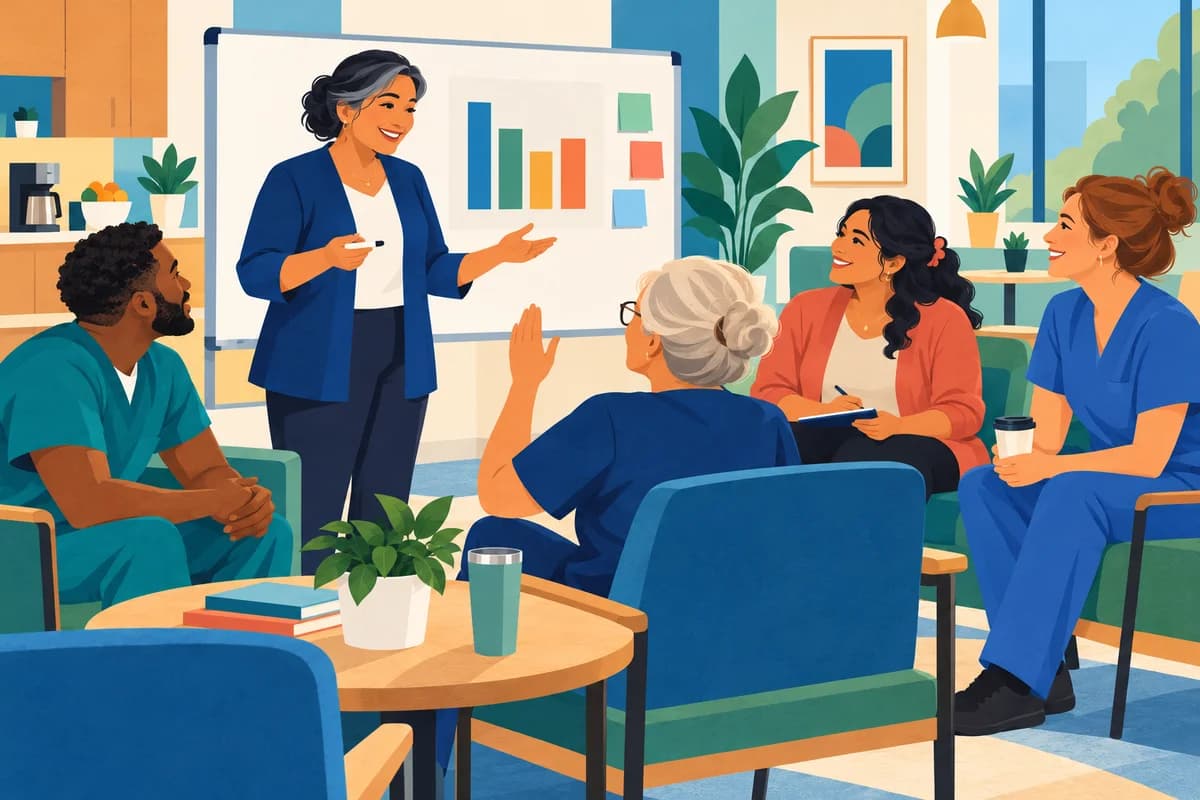 MeasurementMeasuring safety culture is the first step. Acting on it is what matters.The AHRQ SOPS Hospital Survey shows where your safety culture stands. How to read its 10 composite measures and act on the results between survey cycles. (en inglés)
Contáctenos
Hable con nosotros sobre su programa
Cuéntenos en qué está trabajando. Le mostraremos cómo ImprovementFlow lo respalda, desde el primer reporte hasta un cambio duradero.
Normalmente respondemos en un día hábil.
¿Prefiere el correo electrónico? info@communify.us