
Workplace Violence guides
Workplace violence prevention in healthcare
Verified data, current regulatory requirements and practical guidance for building a workplace violence prevention program: getting staff to report, supporting people after an incident and preventing the next one, setting by setting.

Start here
 Research & dataWorkplace violence in healthcare: the crisis by the numbersVerified statistics on workplace violence in healthcare: how common it is, where risk concentrates, why most incidents go unreported and what it costs.
 ComplianceWorkplace violence prevention: what regulators now requireWhat Joint Commission standards, state laws and federal rules require of healthcare workplace violence prevention programs, and the status of pending bills.
 Implementation guideBuilding a workplace violence reporting program that staff will actually useHow to build a workplace violence reporting program staff will use: removing reporting barriers, a clear taxonomy, routing, follow-up and pattern review.
Put it into practice
Programs that turn this guidance into everyday work
 Workplace Violence PreventionHelp staff report threats and assaults, make sure every report gets follow-up and support, and turn patterns into documented prevention work.Explore Workplace Violence Prevention →
 Safety ReportingReport workplace violence alongside every other safety event, with routing to the team that reviews it.Explore Safety Reporting →
 Well-Being Reporting and AssessmentsRun assessments and pulse checks to see where violence exposure is wearing teams down.Explore Well-Being Reporting and Assessments →
Supporting staff and preventing violence
What people need after an incident, and how training, data and controls fit together.
 Implementation guidePost-incident support after workplace violence: what your team needsWhat healthcare workers need after a workplace violence incident: the first 24 hours, peer support using the three-tier model, follow-up and return to work.
 PreventionDe-escalation training alone isn't enough: building a comprehensive WPV prevention programWhy de-escalation training alone isn't enough, and how to combine it with reporting, data, environmental controls and support in a complete WPV program.
 Research & dataThe intersection of workplace violence and healthcare worker well-beingHow workplace violence drives burnout, distress and turnover in healthcare, and why violence reporting and well-being measurement should be read together.
By setting
Where the risks differ and what works in each setting.
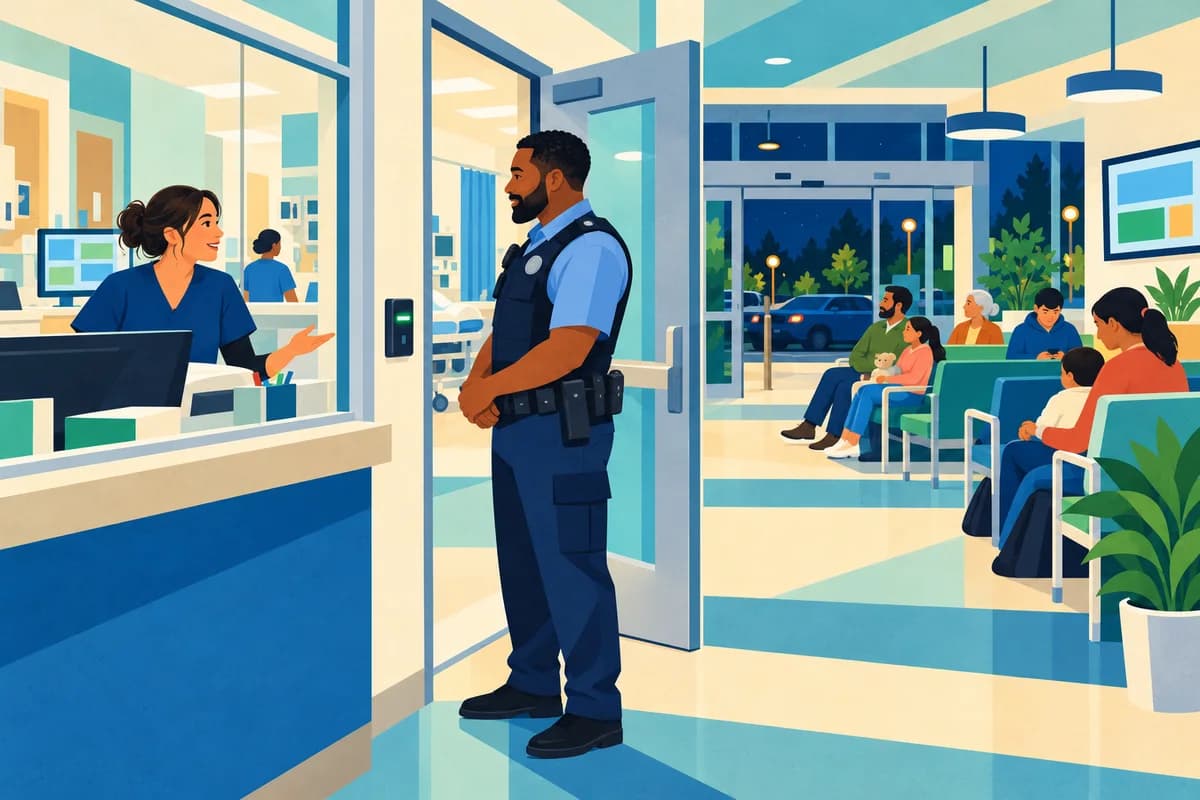 By settingWorkplace violence in the emergency department: a targeted approachED workplace violence: how common it is, the risk factors, environmental and operational controls, and reporting designed for a busy department.
 By settingWorkplace violence prevention in behavioral health settingsWorkplace violence in behavioral health: the risk data, Joint Commission requirements since 2024, risk assessment, milieu management, reporting and training.
 By settingAddressing workplace violence in nursing homes and long-term careAddressing workplace violence in nursing homes: CNA exposure, dementia-related responsive behaviors, staffing, and building a reporting culture in long-term care.
 By settingSafety reporting for home health workers: addressing workplace violence in the fieldWorkplace violence risks for home health workers: Joint Commission home care requirements since 2025, visit risk screening, mobile reporting and check-ins.
Contact us
Talk with us about your program
Tell us what you are working on. We'll show how ImprovementFlow supports it, from the first report to lasting change.
We typically respond within one business day.
Prefer email? info@communify.us