
Key takeaways
- Home health QAPI requires tracking adverse events, analyzing causes and immediately correcting threats to patients.
- OASIS-E2 took effect on April 1, 2026; the expanded HHVBP model adjusts payment by up to 5% either way.
- Field staff need to report from a phone in the moment, and hear back from a named person.
- Track hospitalizations, falls and wound outcomes by team so problems surface before your public scores move.
Why quality work is different when care happens in the home
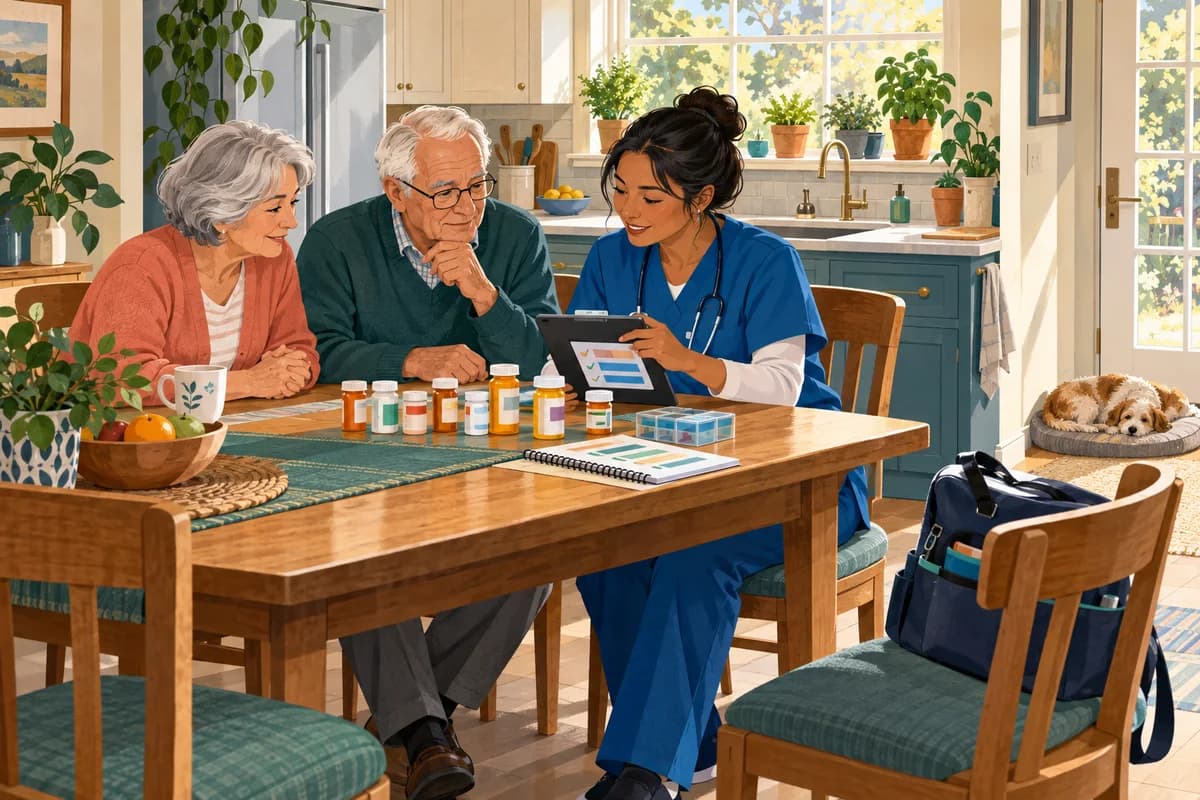
Events in home health happen in patients' homes, often with only the patient and one clinician present. There's no nursing station to return to and no supervisor down the hall. The longer the gap between an event and a desk, the more detail gets lost.
Field staff and the office are structurally apart. A nurse doing five visits in a day, driving between patients and charting in the car, has to fit reporting around the visits. If reporting needs an office computer, it gets skipped or batched into end-of-day entries that lose the clinical detail investigation depends on.
Quality data drives payment and public ratings. OASIS assessments feed the Home Health Quality Reporting Program, Care Compare star ratings and the expanded value-based purchasing model, so patterns in falls, hospitalizations and wound healing need attention before they show up in your public scores.
The home health regulatory landscape
Home health agencies must run an agency-wide, data-driven QAPI program under 42 CFR 484.65. It uses OASIS-derived quality measures, focuses on high-risk, high-volume and problem-prone areas, and requires the agency to track adverse patient events, analyze their causes and implement preventive actions, with immediate correction of anything that threatens patients.
- OASIS is the standardized assessment collected at set points in each episode. The current version, OASIS-E2, took effect on April 1, 2026, and drives quality reporting, payment and value-based purchasing.
- The expanded Home Health Value-Based Purchasing model has applied nationwide since 2023, adjusting Medicare payments by up to 5% up or down based on performance.
- HHCAHPS patient experience results and Care Compare star ratings make agency quality public.

ImprovementFlow
Safety Reporting
A home health clinician may be the only professional who sees an event. Safety Reporting lets them report from a phone in the home or the car, routes the report to the right reviewer and tells them what changed.
What to prioritize first
- 1Give field staff a way to report an event or unsafe home from their phone in the moment, without VPN access or office hardware.
- 2Make sure a named person follows up on every field report, and tell the clinician what happened.
- 3Track the outcomes that drive your public scores, such as hospitalizations, falls and wound healing, by team and service area.
- 4Hold a short virtual huddle so field and office staff see the same priorities each week.
- 5Pick one OASIS-based measure where you lag and run a focused improvement project on it.
How ImprovementFlow supports this
- Reporting from a phone in a patient's home, the car or between visits, routed to the right reviewer by event type and severity.
- An owner and a status on every event, and feedback to the person who reported it.
- Digital huddle boards that a team which never meets in one place can use from any device.
- A linked improvement project when a pattern in events or outcomes needs real work.